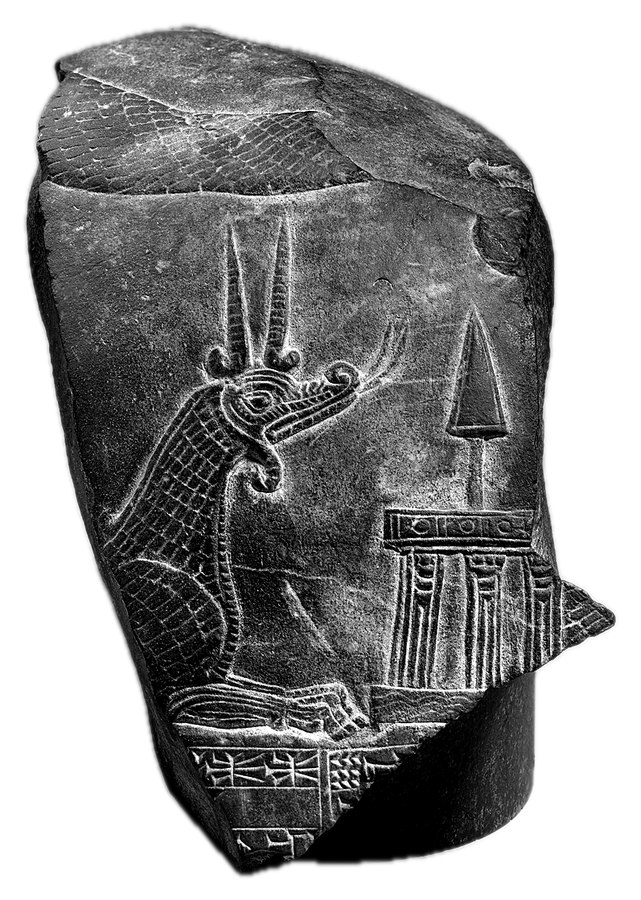
Boundary stone carved with the signs of the gods. Babylonia, c. 1150 to 1025 BC
The sky explained.
A chart is a map of the sky from one place at one moment. Every map depends on four choices: the frame, the vantage, the precision, and the population. This manual moves through all four, from the grid of the sky itself to the smallest named rock.
On fact and tradition: every position, orbit, date and discovery in this manual is astronomical fact. Every meaning is interpretation: the accumulated tradition of astrologers across cultures, not something astronomy has measured. This manual keeps the two clearly apart, so the sky can be trusted as it is and the meanings can be weighed on their own terms.
- IThe FrameThe three zodiacs, the ayanamsha question, and the vantage points a chart can be cast from, plus the full chart-settings reference.▶
- IIThe Moon's Hidden PointsBlack Moon Lilith in all her calculations, and her counterpart Priapus: not bodies, but places where the Moon's orbit bends.▶
- IIIVisitorsThe comets, and the first object ever confirmed arriving from another star.▶
- IVThe Uranian SystemThe eight symbolic planets of the Hamburg School, and the worldview that produced them.▶
- VThe Invisible PlanetsThe bodies astronomers once predicted, or astrologers proposed, that the sky never delivered, plus one that may yet be found.▶
- VIThe Asteroid FieldThe named minor planets: the goddesses, the lovers, the wounded healers, and the dwarf worlds at the edge of the solar system.▶
- VIIMore of the Real SkyThe fixed stars, eclipses, the lots, the planetary nodes, and the galactic points.▶
- VIIIWhat You Can DoWhat each tool in this manual can reveal, and what can be created from it.▶